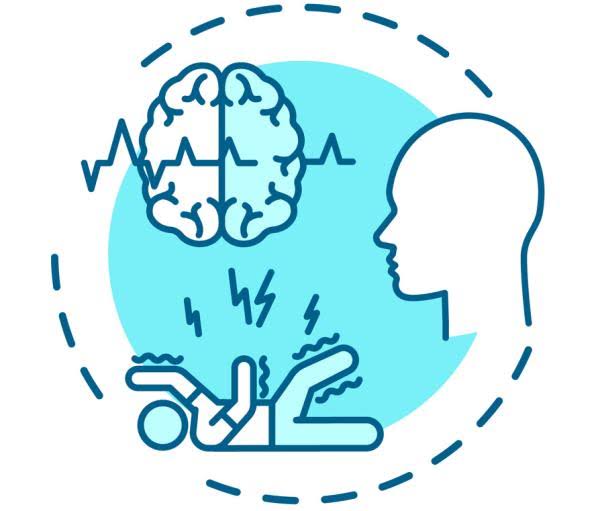

Huntington's Disease (HD) & Its treatment:
What Is Huntington’s Disease?
Huntington’s disease is a rare, inherited condition that causes nerve cells in your brain to break down, leading to movement, thinking and emotional challenges.
A change in one of your genes causes an abnormal protein to build up in brain cells. It damages them and affects how they function.
Types of Huntington’s disease
There are two main types of Huntington’s disease:
- Adult-onset: This is the most common type. Symptoms usually start after age 30.
- Early-onset (juvenile Huntington’s disease): This rare type affects children and teenagers. Symptoms appear before age 20.
Symptoms and Causes
Signs and symptoms usually start slowly and get worse over time. One of the first signs is chorea. This is a jerky or twisting movement you can’t control. Chorea often begins in your hands, fingers or face. It then spreads to your arms, legs and body. This movement can make it hard to speak, eat or walk.
Other physical symptoms may include:
- Problems swallowing or slurred speech
- Stiff or slow movements
- Trouble focusing your eyes
- Trouble with balance or coordination
- Unexplained weight loss
Huntington’s disease also changes how you think and feel. These emotional and mental symptoms may appear before physical ones:
- Acting on impulse or using poor judgment
- Anxiety
- Difficulty planning or making decisions
- Not noticing changes in yourself
- Feeling sad, hopeless or unmotivated
- Mood swings, anger or irritability
- Trouble concentrating or remembering things
Juvenile Huntington’s disease symptoms
- Changes in mood, like irritability or depression
- Clumsiness or balance problems
- Delayed speech or trouble talking clearly
- Muscle spasms or unusual body positions
- Stiff or slow movements
- Trouble at school, like learning problems or lower grades
Teens may also develop chorea and emotional changes similar to adult Huntington’s disease. As time goes on, movement and thinking problems usually become more noticeable.
How is Huntington’s disease diagnosed?
Doctors diagnose Huntington’s disease by looking at your medical history, symptoms, family history and test results. If one of your biological parents or close relatives has the disease, that information can help guide the diagnosis.To confirm the diagnosis, your provider may order a genetic test.
Huntington’s disease treatmentsThere’s no cure for Huntington’s disease right now. But treatment options are available to ease symptoms. Your care team can help you stay independent for as long as possible with:
Diet and health related triggers include:
- Medications
- Supportive care
- Clinical trials
- Antidepressants (like SSRIs) to manage depression and anxiety
- Antipsychotic medications (like olanzapine, risperidone, quetiapine or aripiprazole), which may calm mood swings
- Mood stabilizers to reduce impulsivity, aggression, irritability or other behavior changes.